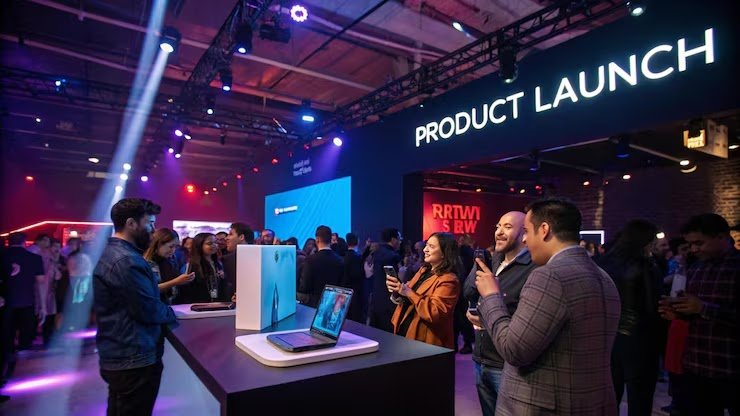
A product launch event is one of the few moments when marketing, branding, and live experience must work together perfectly, in front of the exact audience you most want to impress.
Get it right, and you create genuine buzz, strong media coverage, and a memorable first impression.
Get it wrong, and even a great product can launch to a flat, forgettable room.
Unlike most corporate events, a product launch has a single, non-negotiable goal: making the product itself the hero of the evening.
Every decision, from venue to entertainment to guest list, should be evaluated against whether it supports that reveal moment or distracts from it.
Here’s a complete, step-by-step framework for planning a product launch event that actually lands.
Table of Contents
- Why Product Launch Events Matter
- Step 1: Define the Concept & Objective
- Step 2: Build the Right Guest List
- Step 3: Choose the Venue & Branding
- Step 4: Plan the Product Reveal
- Step 5: Include Demonstrations
- Step 6: Add Entertainment (Without Distracting)
- Step 7: Involve Media & Influencers
- Step 8: Design the Guest Experience
- Step 9: Plan Post-Event Follow-Up
- Common Mistakes to Avoid
- FAQs
Why Product Launch Events Matter
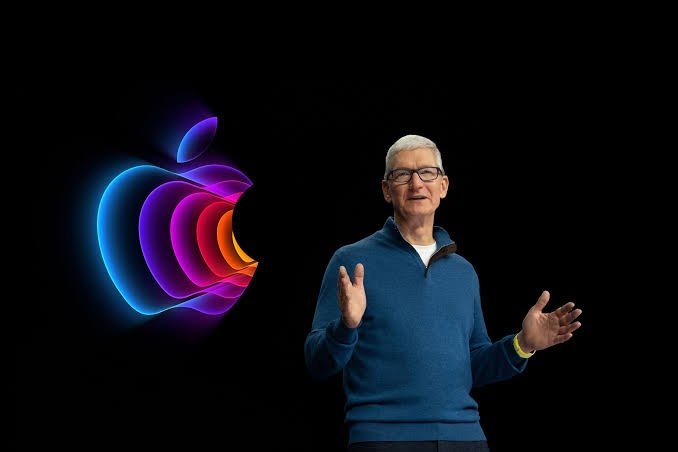
A product launch is the first public impression for your product, and first impressions are disproportionately hard to undo. Media coverage, influencer content, and guest word-of-mouth from the launch event frequently shape early market perception more than the product’s actual features do in those first few weeks.
That’s what makes launch events worth planning carefully. The stakes are higher than a typical corporate event, because the audience in the room is usually made up of decision-makers, press, and influencers, exactly the people whose early opinions carry outsized weight.
Step 1: Define the Concept & Objective
Before booking a venue or drafting a guest list, clarify what this launch is meant to achieve. Is the primary goal media coverage, lead generation among B2B buyers, or brand positioning among consumers? Each objective changes who should be in the room and what the event should prioritise.
The concept should also reflect the product itself.
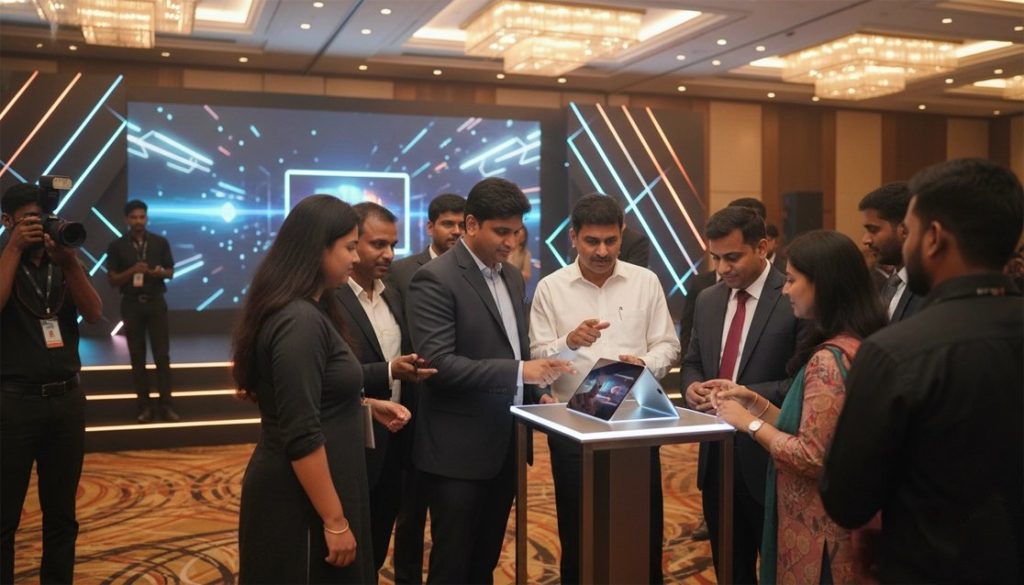
A premium, understated launch suits a luxury product; a high-energy, interactive launch suits a consumer tech or lifestyle brand. Getting this alignment right early keeps every later decision consistent.
Step 2: Build the Right Guest List
The guest list is where many launches quietly succeed or fail, long before the event itself. Prioritise quality over headcount: a smaller room of the right journalists, partners, and prospective customers outperforms a large but unfocused crowd.
Segment your list clearly. Media, industry partners, existing customers, and prospects, since each group may need slightly different messaging, seating, or access (such as pre-event briefings for press).
Step 3: Choose the Venue & Branding
The venue should reinforce the product’s identity, not compete with it. A tech product benefits from a clean, modern space that supports large screens and lighting design; a heritage or lifestyle brand might suit a venue with more character and texture.
Branding should be consistent and immersive, present from the entrance through to the reveal stage, rather than confined to a single step-and-repeat backdrop. Guests should feel the brand’s identity throughout the space, not just notice a logo on their way in.
Step 4: Plan the Product Reveal
The reveal is the emotional peak of the entire event, and it deserves disproportionate planning attention relative to its short duration. Strong reveals use build-up, teaser content, a countdown and staged lighting changes to create anticipation before the product itself appears.
Keep the reveal moment tightly choreographed and rehearsed. A reveal that runs into technical delays or awkward pacing can undercut months of planning in a matter of seconds, so a full technical run-through beforehand is non-negotiable.
Step 5: Include Demonstrations
A reveal creates excitement; a demonstration creates understanding. Give guests, especially media and prospective buyers, a clear, hands-on sense of what the product actually does, not just how it looks on stage.
Structure demonstrations so they don’t create long queues or bottlenecks. Multiple demo stations, staggered by guest segment, usually work better than a single central demo point that the whole room competes for at once.
Step 6: Add Entertainment (Without Distracting)
Entertainment at a launch event should support the atmosphere, not compete with the product for attention. Background music, a curated pre-reveal performance, or light interactive elements during networking segments all work well, as long as they clearly take a back seat once the reveal itself begins.
The most common entertainment mistake at launches is booking something loud or attention-grabbing that ends up overshadowing the product itself, undermining the entire purpose of the event.
Step 7: Involve Media & Influencers
Media and influencers extend the launch’s reach well beyond the guests physically in the room, often to an audience many times larger. Plan dedicated media moments: a press briefing before the main event, exclusive early access to the product, or a designated photo opportunity with optimal lighting and branding.
For influencers, think beyond simply inviting them; provide shareable moments designed specifically for their content, a striking visual backdrop, a hands-on demo they can film, or an exclusive detail they can be first to share.
Step 8: Design the Guest Experience
Beyond the reveal itself, the overall guest experience shapes how the event is remembered. Comfortable flow between networking, demonstrations, and the main reveal keeps energy high without leaving guests standing around uncertain of what’s next.
Small touches matter here too: personalised welcome moments, thoughtful gifting tied to the product, and well-briefed staff who can answer product questions confidently all reinforce the premium impression a launch is meant to create.
Step 9: Plan Post-Event Follow-Up
A launch event doesn’t end when guests leave; the days immediately after are when much of its actual value is realised. Send personalised follow-up communication to media and key guests promptly, including high-quality photos and key product information they can use directly.
Track media coverage, social mentions, and influencer content generated from the event, and note what worked for future launches. The follow-up window is also the right time to move interested prospects into a structured sales or partnership conversation while the launch is still fresh.
Common Mistakes to Avoid
A few recurring mistakes undercut otherwise well-planned launches:
- Overcomplicating the reveal with too many technical elements, increasing the risk of something going wrong at the worst possible moment
- Under-briefing media and influencers, leaving them without the context or access needed to cover the launch well
- Prioritising entertainment over the product, so guests remember the performance more than what was actually launched
- Skipping the follow-up window, losing much of the event’s long-term value by not capitalising on momentum in the days right after
Décor and entertainment can elevate a launch, but the product has to remain the clear centre of attention throughout, from the first teaser to the final follow-up email.
Planning a Corporate Event?
Find Vendors by Corporate Event Types
Whether you’re organising a conference, product launch, offsite or award night, the right vendors make the difference between an event that runs and one that lands.
FAQs
1. How far in advance should a product launch event be planned?
For a mid-to-large launch, 8–12 weeks is a reasonable window, allowing enough time for venue booking, media outreach, and a proper reveal rehearsal. Larger, press-heavy launches may need more lead time for media coordination alone.
2. Should a product launch event be open to the public or invite-only?
Most successful launches are invite-only, allowing tighter control over guest quality, messaging, and the overall experience. A curated, well-briefed audience typically generates better coverage than an open, unfiltered crowd.
3. What’s the biggest factor in getting good media coverage from a launch?
Give media clear, exclusive access and material they can act on quickly, a private briefing, high-quality photos, and a concise product story, rather than expecting general excitement alone to translate into strong coverage.
4. Is a physical demonstration necessary, or is the reveal enough?
A reveal creates emotional impact, but a demonstration builds real understanding of the product. For most product types, especially anything with functional features guests need to grasp, both are worth including.
5. How do I measure whether a product launch event was successful?
Look beyond attendance numbers. Media coverage, influencer content generated, qualified leads, and post-event engagement are far more reliable indicators of a launch’s actual impact than how many people showed up.