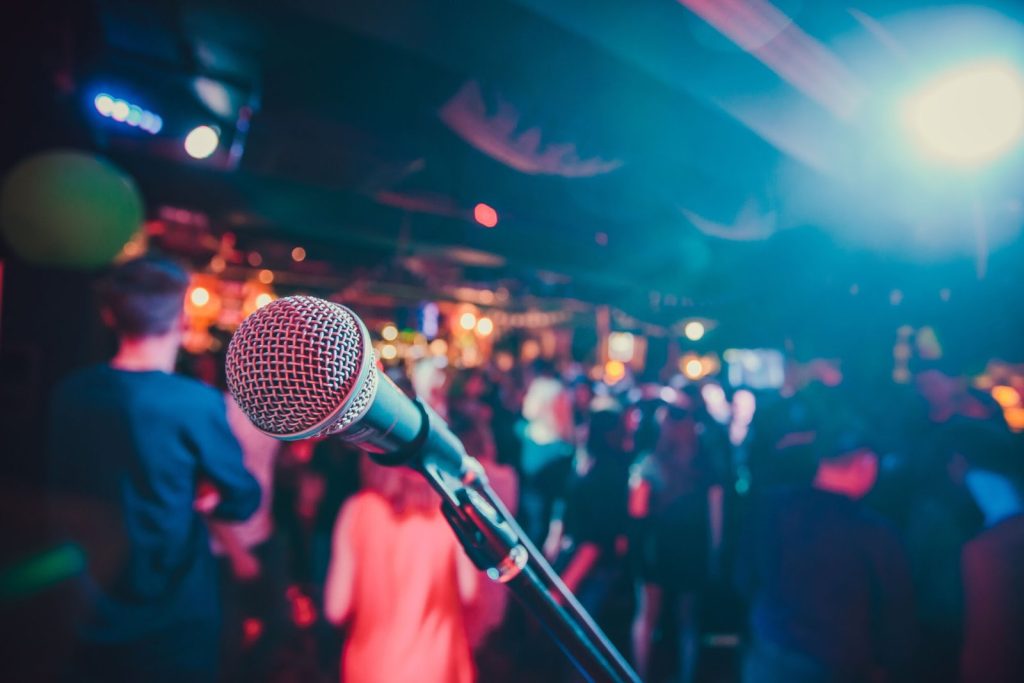
Good food and a well-decorated venue will hold guests for maybe an hour. After that, something else has to keep the room alive. That something is entertainment, and it’s usually the single most underplanned part of an event brief, treated as a last-minute booking instead of a deliberate choice tied to your audience and format.
The right entertainment doesn’t just fill time. It changes the pace of the evening, gives guests something to talk about, and often ends up being the one thing people remember weeks later. Below are 15 options worth considering, along with a sense of which events they suit best.
Why Entertainment Choice Matters

Every event has a natural energy curve, and entertainment is what shapes it. A corporate offsite that goes straight from a keynote to dinner tends to lose steam fast. A wedding reception with no music beyond background playlists rarely gets anyone on their feet. The mistake isn’t skipping entertainment altogether- most hosts know they need it; it’s picking something generic without asking whether it actually fits the crowd in the room.
A stand-up set that kills at a 25-person team dinner can fall flat at a 400-guest wedding with three generations in attendance. A silent disco works beautifully at a college fest and confuses most corporate audiences. Matching format to audience is where the real decision-making happens, and it’s usually worth more planning time than most hosts give it.
There’s also a budget trap worth naming here. Hosts often assume better entertainment means a bigger name or a higher fee, when in practice a modest act that genuinely fits the room outperforms an expensive one that doesn’t. The list below is built around fit first, scale second.
15 Entertainment Ideas to Keep Guests Engaged
1. Live Band
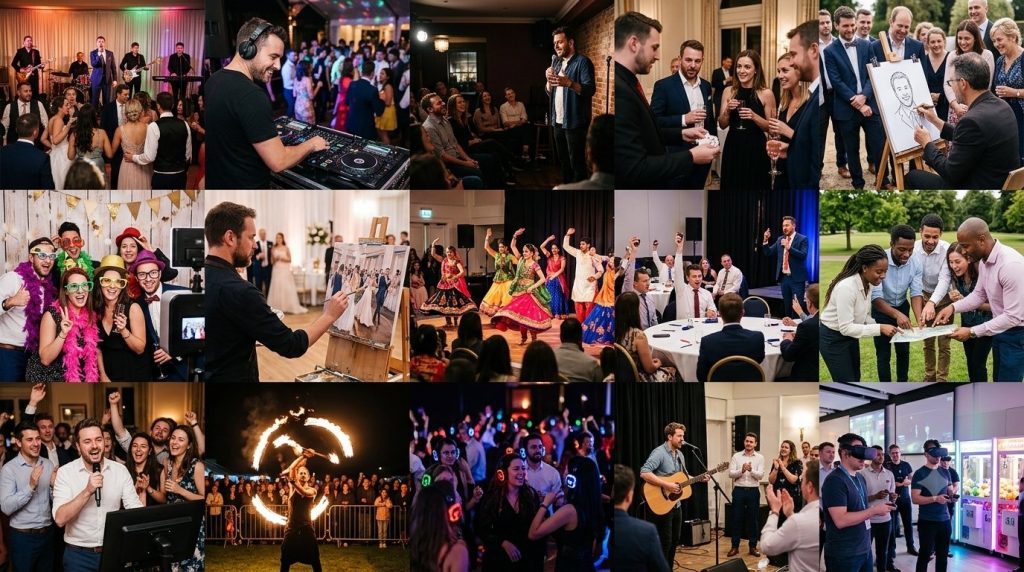
A five-to-seven-piece live band remains one of the most reliable choices for weddings and large celebrations. Look for bands that can read a room and shift between genres depending on who’s on the dance floor at any given moment.
2. DJ with a Dedicated Dance Floor
For events where the goal is sustained energy over several hours, a DJ usually outperforms a live band on pure stamina and song variety. Give the DJ a clear brief on the age mix and cultural background of your guests ahead of time.
3. Stand-Up Comedy
A 20 to 30-minute set works well for corporate dinners and smaller celebrations where guests are seated and attentive. Vet the comedian’s material in advance; corporate audiences and family weddings need very different tones.
4. Close-Up Magic
Roaming magicians who perform for small clusters of guests during cocktail hour keep people engaged without requiring a stage or a formal program. This works particularly well for events with a long pre-dinner mingling window.
5. Caricature Artists
Guests get a personalised sketch to take home, and the process of sitting for one naturally draws a small crowd around the artist. A strong fit for birthdays, college events, and casual corporate mixers.
6. Photo Booths with Themed Props
Photo booths have been around long enough that they can feel like a default choice, but a well-curated prop set tied to your event’s theme keeps them from feeling generic. Add a printed keepsake option so guests leave with something physical.
7. Live Painters
An artist who captures the couple, the stage, or the crowd on canvas over the course of the evening gives guests something to watch being built in real time, and the finished piece often becomes a keepsake for the host afterwards.
8. Cultural Dance Performances
Garba, Bollywood-style dance troupes, and regional folk performances bring a strong energy lift to weddings and festival-linked celebrations. These work best scheduled early enough in the evening that guests are still alert and willing to join in.
9. Trivia and Quiz Games
A well-run trivia round with a good host and decent prizes can hold a corporate audience’s attention better than most passive entertainment. Keep questions specific to the company or the guest list where possible; generic pub quiz questions rarely land as well.
10. Team Challenges and Treasure Hunts
Especially useful at offsites and larger family functions, structured team activities get people talking to guests they wouldn’t otherwise approach. Keep team sizes small, four to six people works better than large, unwieldy groups.
11. Karaoke Setup
A dedicated karaoke corner, rather than a single stage everyone has to watch, lets smaller groups perform for each other without the pressure of a full-room audience. Works well at informal celebrations and team parties.
12. Fire Performers and Acrobats
High-impact visual acts suit outdoor venues and larger-scale events where you want a clear “moment” the whole crowd gathers around. These need enough open space and proper safety clearances, so confirm this with your venue early.
13. Silent Disco
Multiple music channels playing through wireless headphones let guests choose their own vibe without noise spilling into other parts of the venue. A strong option for late-night segments or events sharing space with quieter zones.
14. Employee Talent Shows or Open Mic Segments
At corporate events, giving employees the stage for a five-minute comedy bit, a song, a poem- often generates more genuine engagement than any hired act. People show up for their colleagues in a way they won’t for a stranger.
15. Interactive Tech Zones
VR gaming stations, claw machines, or arcade-style setups give guests, especially younger ones, a reason to stay engaged during slower stretches of an event. These work particularly well at product launches and youth-oriented brand events.
How to Pick the Right Option for Your Event
Start with your guest list’s age range and cultural mix before anything else. A crowd spanning three generations needs different pacing than a room full of 25-year-old colleagues. Next, think about your venue’s layout and noise constraints: an acoustic act suits an intimate indoor space, while fire performers or a live band need open air and room to breathe.
Budget matters too, but it shouldn’t be the first filter. A well-matched, modestly priced act will outperform an expensive booking that doesn’t fit the room. And don’t feel obligated to pick just one, pairing a quieter option for early hours (live painters, close-up magic) with something higher energy later (a DJ, a dance performance) often works better than committing to a single format for the whole event.
The best entertainment choice rarely announces itself as the obvious one. It usually comes from actually thinking through who’s in the room, how long they’ll be there, and what they’ll still be talking about the next morning.
Looking for Entertainment for Your Next Event?
Find Entertainment by Event Types
From live bands and stand-up comedians to interactive performers and cultural dance troupes, find and book vetted entertainment options for your event on EventBazaar.com.
FAQs
1. How many entertainment options should a single event have?
For a full-day or evening event, two to three options paced across different segments usually works better than one act running the entire time. A quieter opener followed by a higher-energy closer is a common, reliable structure.
2. What’s the best entertainment for a small, formal corporate dinner?
Stand-up comedy, live acoustic music, or close-up magic tend to fit best, since they don’t require a large stage or disrupt a seated dinner format the way a full band or dance performance might.
3. How far in advance should entertainment be booked?
Popular acts, particularly bands, DJs, and well-known comedians, get booked out weeks or months ahead, especially during wedding season. Booking 6 to 8 weeks in advance gives you a realistic shot at your first choice.
4. Can employee-led activities really compete with professional entertainment?
Yes, particularly at internal corporate events. An open mic or talent segment built around employees themselves often generates more genuine laughter and engagement than a hired act that has no connection to the room.